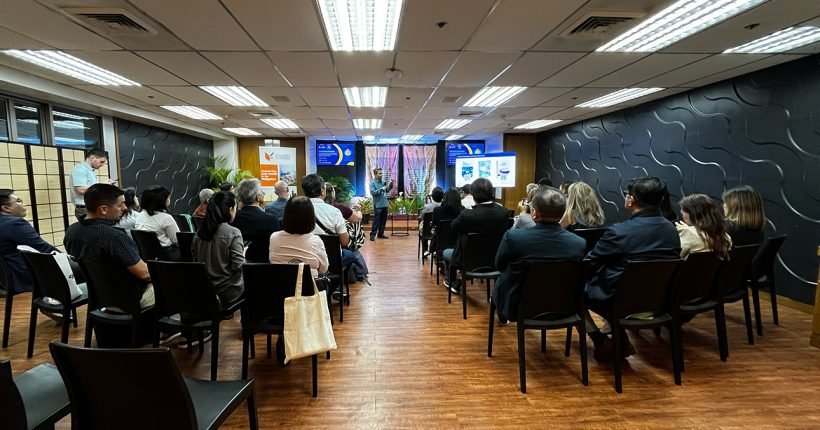




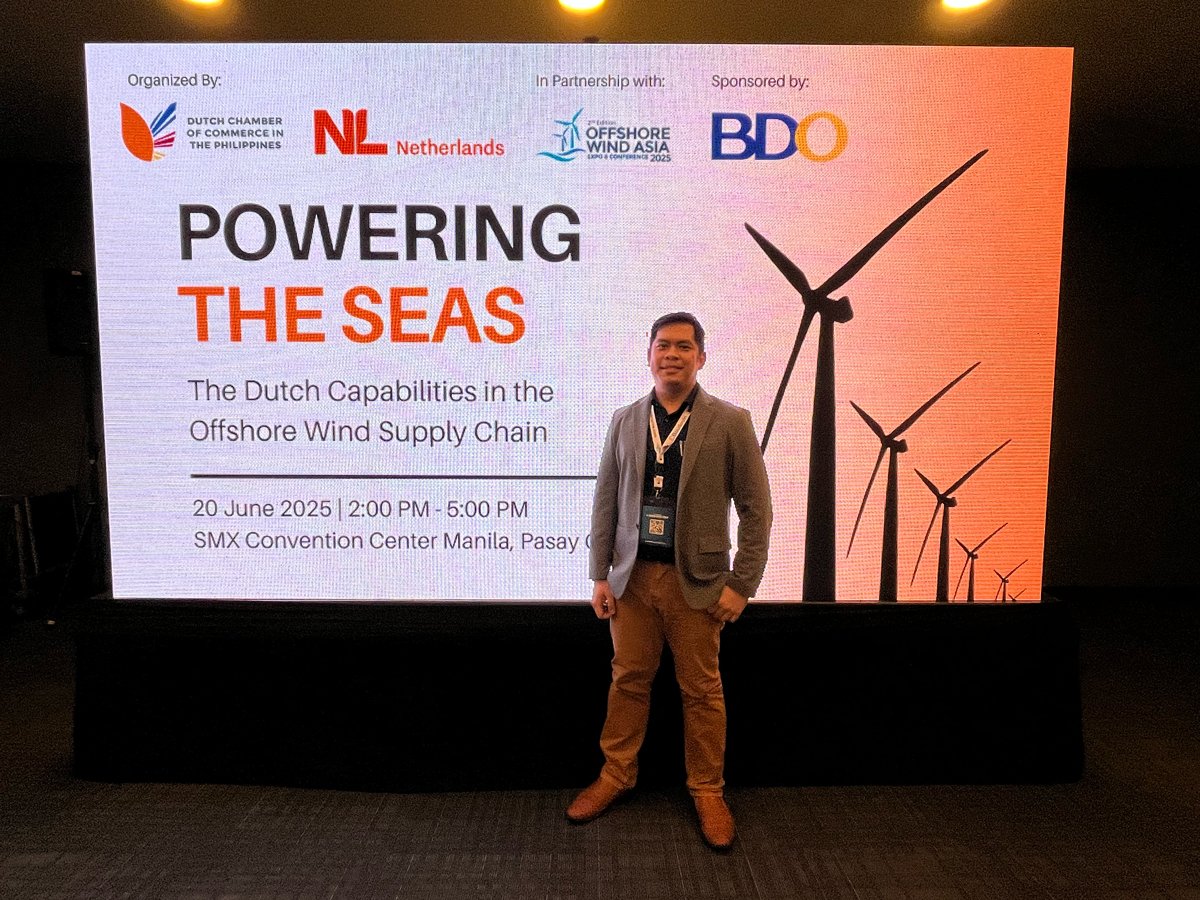
Event: Dutch Offshore Wind Development Seminar
Date and time: June 20, 2025, 2:00 PM to 5:00 PM (GMT+8)
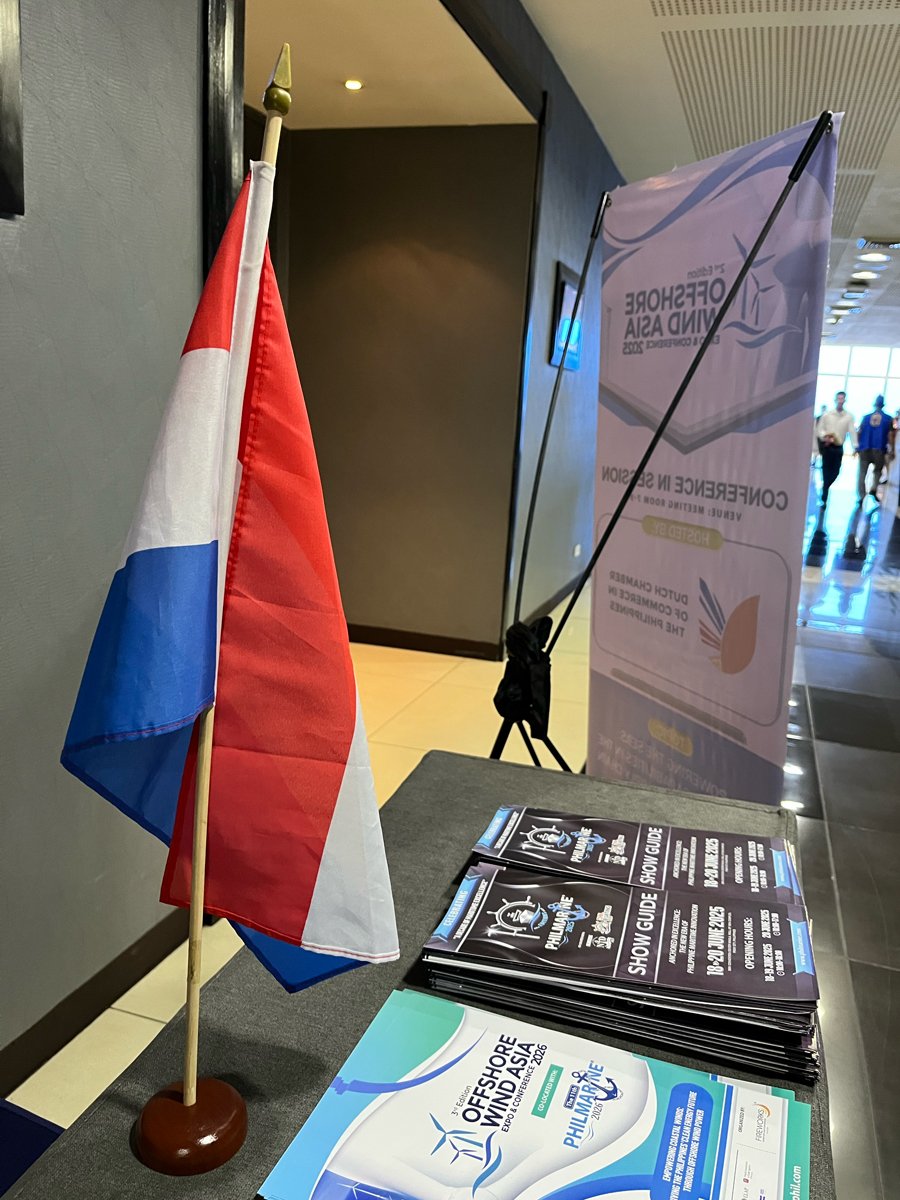
Venue: 2F Meeting Room, SMX Convention Center, Mall of Asia Complex, Seashell Lane, Pasay, Metro Manila
Hosts: Embassy of the Kingdom of the Netherlands in the Philippines, and the Dutch Chamber of Commerce in the Philippines (DCCP)
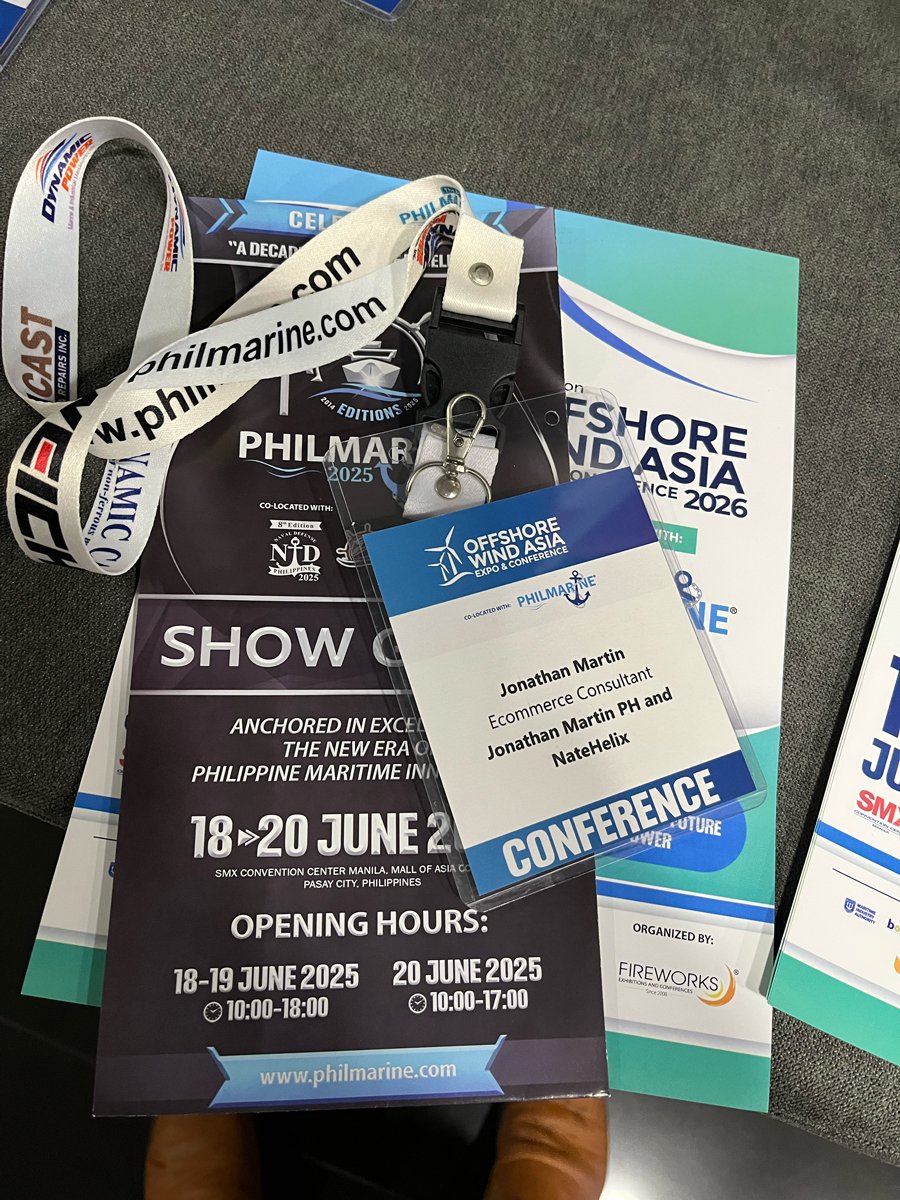
Context: In conjunction with Offshore Wind Asia Expo, June 18 to 20, 2025, at the same venue
The Philippines is entering a decisive phase in its clean energy transition. Strong winds, a long coastline, and rapidly growing demand create a timely opening for offshore wind. The question is not whether the wind blows, the question is how to translate that resource into reliable megawatts and bankable projects.
The Netherlands brings a practical playbook for doing exactly that. Dutch firms have decades of experience in coastal engineering, port development, dredging, cable routes, and wind farm design. Their approach is methodical and collaborative, built around clear risk allocation and precise execution. That combination turns steel, concrete, and seabed surveys into predictable timelines and investor confidence.
This seminar is designed to connect Philippine ambition with Dutch know how. The format is simple and focused. Each talk highlights a critical segment of the value chain, from ports and geotechnical surveys to floating platforms and financing. The result is a coherent picture of what it takes to move from opportunity to operations.
The setting matters. Running alongside the Offshore Wind Asia Expo, the seminar allows participants to move from ideas to vendor conversations within the same day. It also helps align public sector objectives with private sector capabilities, which is often where projects either accelerate or stall.
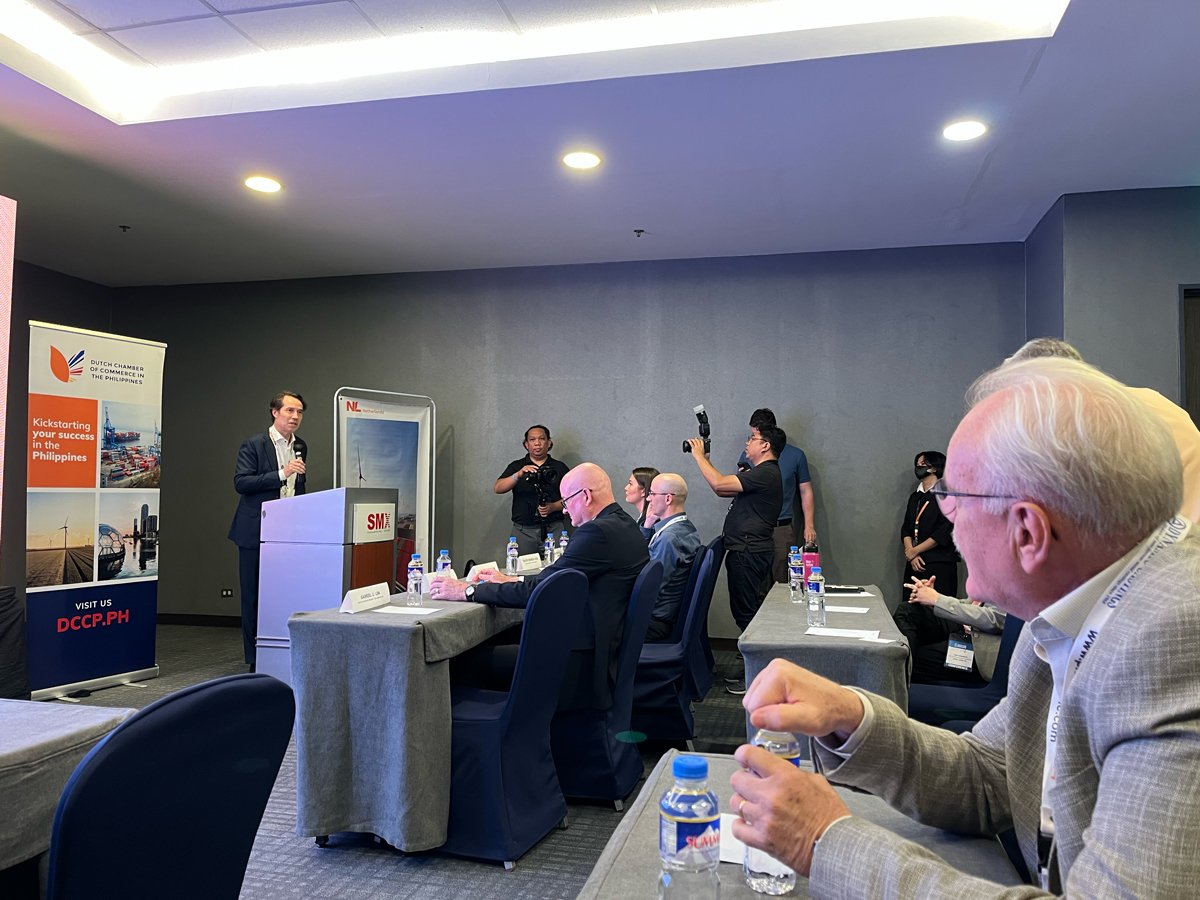
What participants gained
Attendees leave with a structured view of offshore wind development in the Philippine context. The sessions explain how port layouts influence installation sequencing, how seabed data informs foundation choice, and how engineering decisions must reflect local vessel availability and weather windows.
Participants also gain a pragmatic understanding of financing. Bankability is not magic, it is the result of careful risk management, realistic schedules, and transparent performance metrics. When technical uncertainties are reduced and responsibilities are clear, the door opens for local lenders and international capital to join forces.
Perhaps most valuable, the seminar fosters relationships. Developers meet survey companies. Port operators meet dredging specialists. Financiers meet engineers who speak in numbers rather than adjectives. Partnerships reduce friction, and friction is the hidden tax on every large project.
Speaker highlights
Robert van der Hum, Deputy Ambassador of the Netherlands, sets the tone with opening remarks that underline the strategic nature of this cooperation. Energy security, climate resilience, and maritime expertise form a natural triangle for both countries.
Trevor Morrish-Hale of Royal HaskoningDHV focuses on ports and coastal development. He illustrates how quay strength, storage yards, and laydown areas shape the entire installation plan. A port that can handle the lifts, the blades, and the maintenance vessels will cut delays before they have a chance to appear.
Beatrice Stoian, founder of Strizo Asia, presents sustainable flooring solutions for energy facilities and support infrastructure. Materials may seem like a small line item, yet durability, environmental performance, and lifecycle cost control can be the difference between a facility that ages well and one that constantly demands repairs.
Jerry Paisley of Fugro dives into geotechnical and geophysical risk. He explains how high quality site investigation reduces uncertainty, allows for leaner designs, and protects both people and budgets. Measure twice, build once, then sleep better.
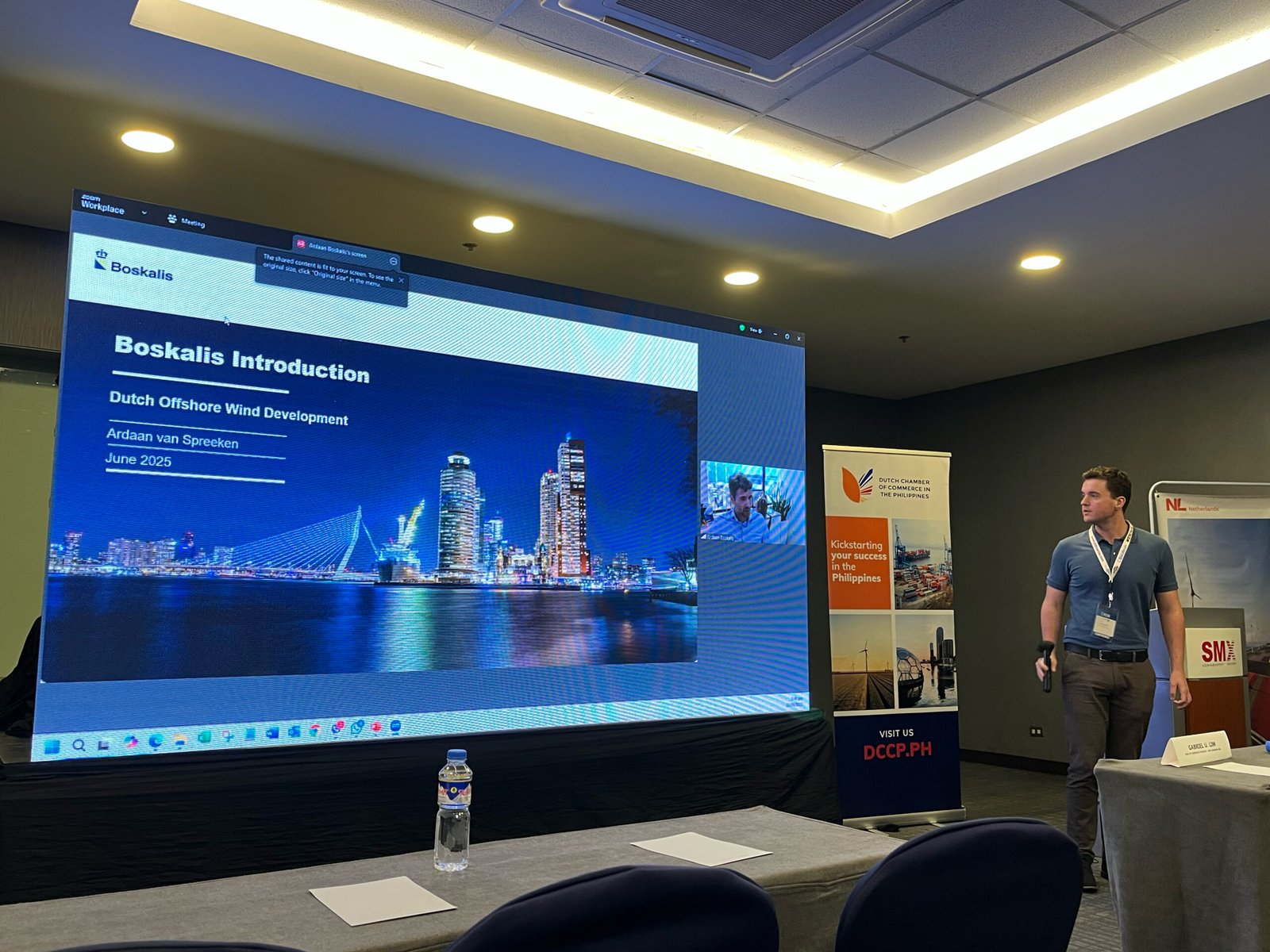
Ardaan van Spreeken of Boskalis joins virtually to discuss dredging and offshore energy. He connects port deepening, cable route preparation, and foundation installation into a single, coordinated sequence. The key is to plan for tides, seasons, and equipment availability with the patience of a chess player.
Dr. Sherif Gebaly of Arcadis outlines the engineering and wind farm design perspective. Integration is the theme. Designs must respect the supply chain that actually exists, not the one we wish we had. Constructability is not a footnote, it is a design criterion.
Eric Kamphues, CEO of IX Renewables, brings a concise view of floating offshore wind. Floating platforms expand the resource area where waters run deep and seabeds are complex. Moorings, anchors, and dynamic cables become central characters. He shows how pilot projects lead to commercial scale when lessons are captured and repeated.
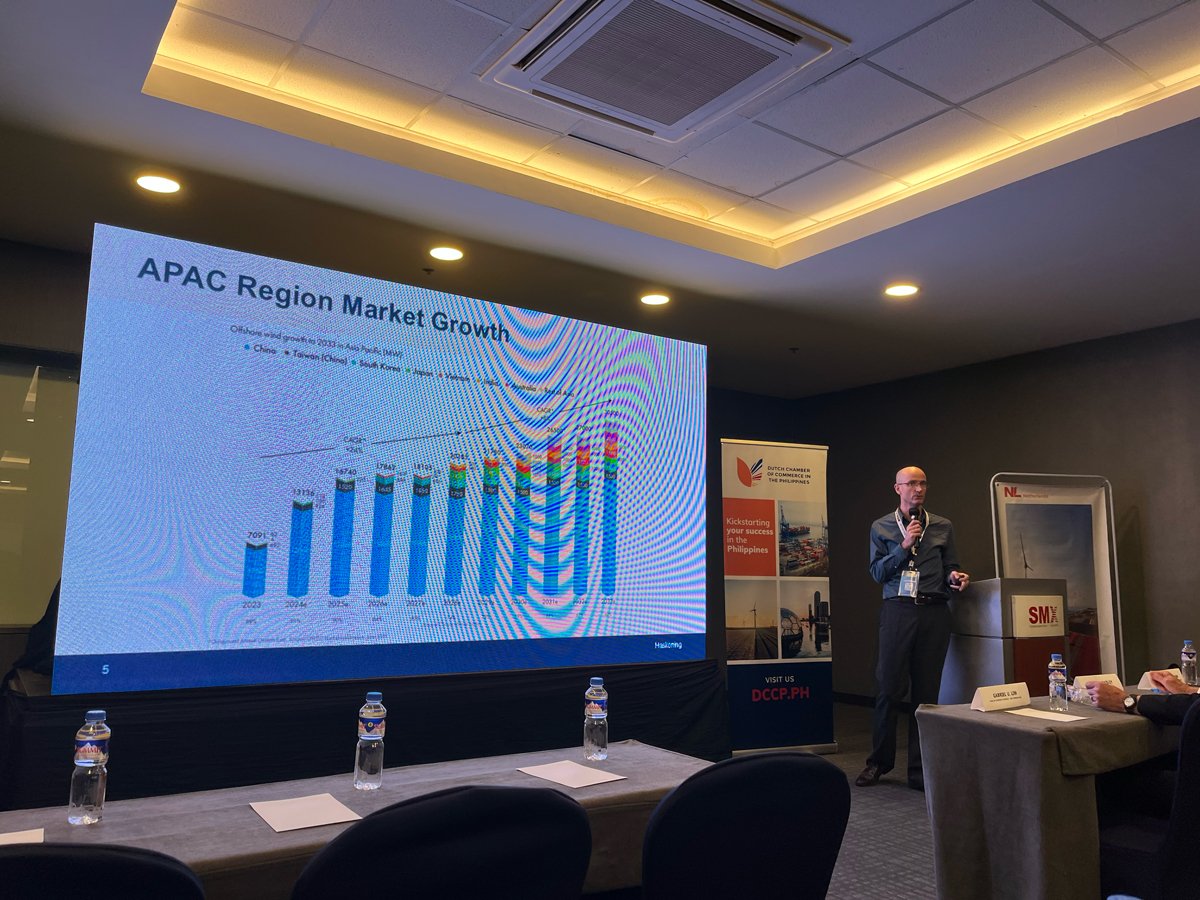
Gabriel U. Lim of BDO Unibank discusses financing opportunities. He clarifies how lenders evaluate risk, why predictable cash flows matter, and where local financial instruments can complement international funding. The message is clear. Good projects are financeable when risk is visible and well assigned.
Key themes that stood out
Ports come first. Wind farms move at the speed of their ports. Early investment in quay capacity, cranage, and storage avoids bottlenecks during both installation and operations. Ports are not scenery, they are the engine room.
Data is design. Geophysical and geotechnical surveys replace guesswork with parameters. With solid data, engineers choose the right foundations, set realistic contingencies, and protect schedules. With weak data, costs add up in silence, then shout at the worst time.
Design must match logistics. Vessel availability, fabrication capacity, and weather windows in the Philippines will define what is feasible at scale. A design that looks elegant on paper must be executable with the ships and yards that can actually do the work.
Floating is a frontier with momentum. For deeper waters, floating platforms unlock sites that bottom fixed foundations cannot reach. The technology is mature enough to be credible and young enough to reward early movers. It requires careful planning, but the payoff is a larger, more flexible project pipeline.
Finance is a design constraint. Risk allocation, contract structure, and performance guarantees shape the capital stack. When technical, regulatory, and construction risks are managed well, local banks can step in with confidence. That lowers the cost of capital and improves long term sustainability.
Who this is for
Developers who want to make timelines believable. EPC firms that prefer clean handoffs over heroic recoveries. Marine contractors who thrive when plans are precise. Port authorities that want to turn capacity into competitiveness. Survey companies that live by data quality. Equipment suppliers, insurers, and policymakers who need shared vocabulary and shared goals.
Program at a glance
From 2:00 PM to 2:30 PM, registration and walk in set the stage.
From 2:30 PM to 2:35 PM, opening remarks are delivered by Deputy Ambassador Robert van der Hum.
From 2:35 PM to 2:50 PM, Trevor Morrish-Hale of Royal HaskoningDHV covers port and coastal development.
From 2:50 PM to 3:05 PM, Beatrice Stoian of Strizo Asia presents sustainable flooring solutions.
From 3:05 PM to 3:20 PM, Jerry Paisley of Fugro explains geo risks for Philippine offshore wind projects.
From 3:20 PM to 3:30 PM, Open Floor 1 invites questions and brief interventions.
From 3:30 PM to 3:45 PM, Ardaan van Spreeken of Boskalis speaks virtually on dredging and offshore energy.
From 3:45 PM to 4:00 PM, Dr. Sherif Gebaly of Arcadis speaks virtually on engineering and wind farm design.
From 4:00 PM to 4:15 PM, Eric Kamphues of IX Renewables speaks virtually on floating offshore wind.
From 4:15 PM to 4:30 PM, Gabriel U. Lim of BDO Unibank discusses financing opportunities.
From 4:30 PM to 4:40 PM, Open Floor 2 continues the dialogue.
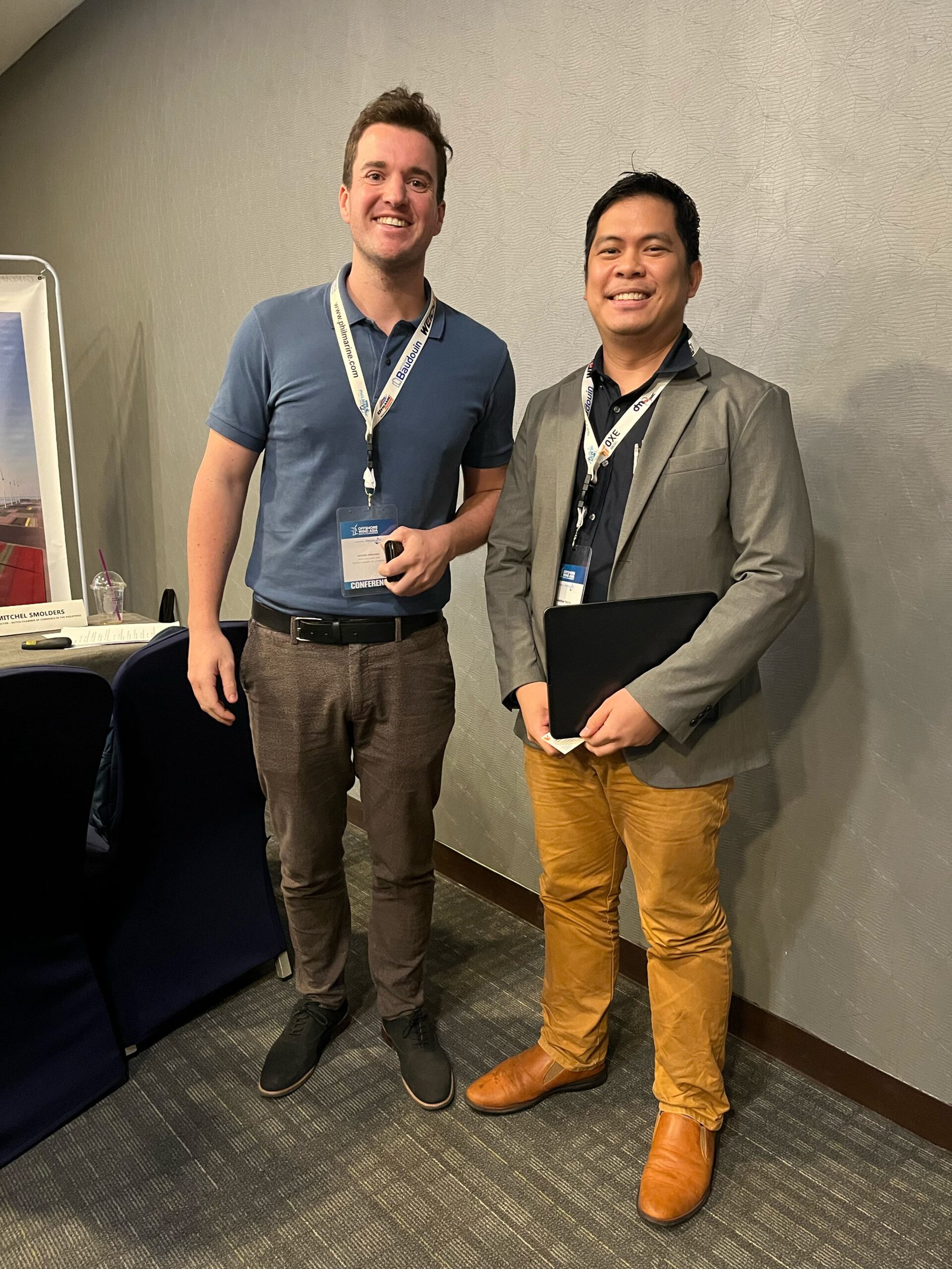
From 4:40 PM to 4:45 PM, closing remarks are given by Mitchel Smolders, Executive Director of DCCP.
From 4:45 PM to 5:00 PM, networking closes the afternoon and opens the next set of conversations.
Closing note
Partnerships turn wind into watts. The Philippines has the resource and the will. The Netherlands offers methods that have been tested in hard weather and tight timelines. Align the sites, align the ports, align the designs, align the financing. When those pieces move in one direction, the turbines follow.