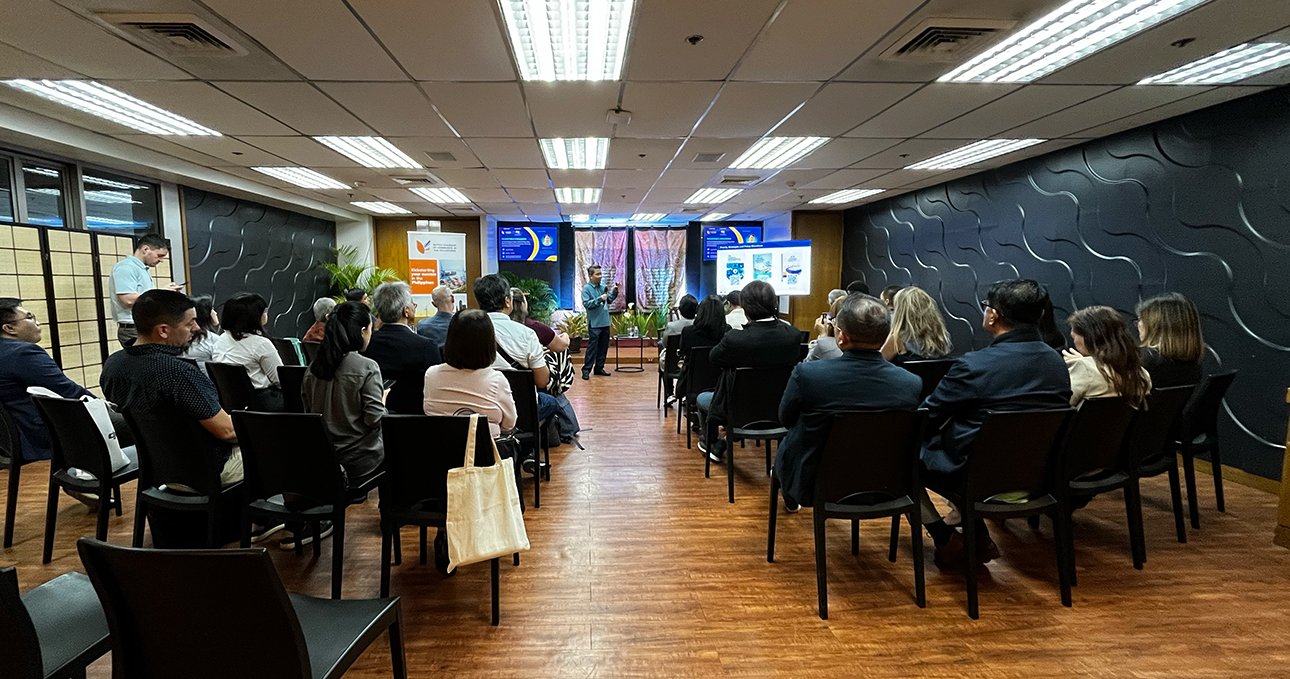
Event: Roundtable Discussion on the Philippine Water Sector
Date & Time: August 19, 2025, 2:00–4:00 PM (GMT+8)
Venue: Legazpi Room, First Maritime Place, 7458 Bagtikan Street, Makati, 12242, Philippines
Host: Dutch Chamber of Commerce in the Philippines (DCCP)
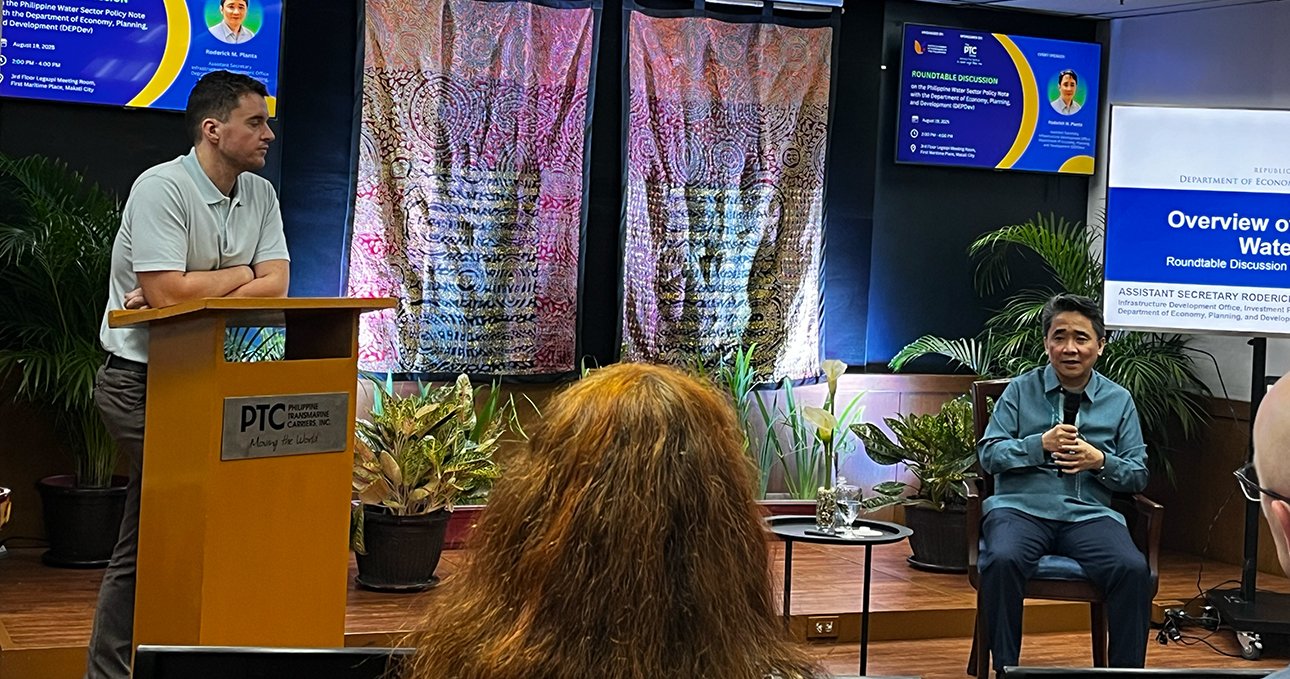
Featured Resource Person: Asec. Roderick M. Planta, Infrastructure Development Office, Investment Programming Group, Department of Economy, Planning, and Development (DEPDev).
Why this conversation matters
Water supports growth, food systems, public health, and disaster resilience in the Philippines. Governance is fragmented across many agencies with overlapping roles, which results in coordination gaps, inconsistent service standards, and weak long term planning. Climate change, population growth, and rapid urbanization increase the pressure. The DCCP roundtable creates a neutral space for public and private actors to align on reforms that produce measurable outcomes.
The reform lens: DEPDev, DWR, and WRC
Two policy moves frame the discussion.
- DEPDev’s strengthened planning mandate. A central planning authority clarifies investment priorities for water supply, sanitation, flood management, and irrigation. Clearer priorities reduce duplication and improve execution.
- The proposal for a Department of Water Resources and a Water Regulatory Commission. The DWR would provide unified policy and development planning for the whole water cycle. The WRC would centralize licensing, tariff setting, service quality oversight, and environmental compliance. Together, these institutions aim to replace a tangle of mandates with a coherent regulatory spine.
Policy scaffolding that enables action
- Infrastructure master plan harmonization aligns project preparation, budgeting, and monitoring across agencies, which supports basin level planning and reduces duplication.
- A unified resource allocation framework for water supply and sanitation prioritizes projects based on access gaps, poverty, disease burden, climate risk, and readiness for market based finance.
- Integrated water resources management at river basin level encourages multipurpose projects, demand management, non traditional sources, efficiency upgrades, and conservation.
- Provincial water security plans localize targets so provinces can unify services, manage watersheds more intelligently, and surface investable pipelines.
What the private sector can do now
- Co design bankable multipurpose projects that align with basin priorities and national plans.
- Use PPP structures and blended finance where these accelerate equitable access and climate resilience, with transparent metrics for performance.
- Invest in data, monitoring, and digital platforms that enable performance benchmarking and tariff transparency.
- Back local delivery through pilots with provinces and water districts, then scale what works.
Program at a glance
- 2:00 PM: Registration and walk in
- 2:30 PM: Opening remarks by Mitchel
- 2:35 PM: Word of welcome and PTC’s role in cooperation on the water sector, or relevant project highlight
- 2:40 PM: Policy Note on the Philippine Water Sector update
- Speaker: Asec. Roderick Planta, DEPDev
- Topic: Water as a resource, governance challenges, upcoming government projects, and updates on the Department of Water Bill
- 3:00 PM: Open forum, 10 minutes
- 3:15 PM: Networking
The stakes
A coherent regime for water, supported by DEPDev’s planning muscle, a purpose built DWR, and a single regulator for economic and service oversight, can deliver faster project preparation and approval, more predictable tariffs, improved service quality, and smarter climate adaptation. This is not only tidy governance. It is livelihoods, investment confidence, and public health moving in the right direction.
About the speaker
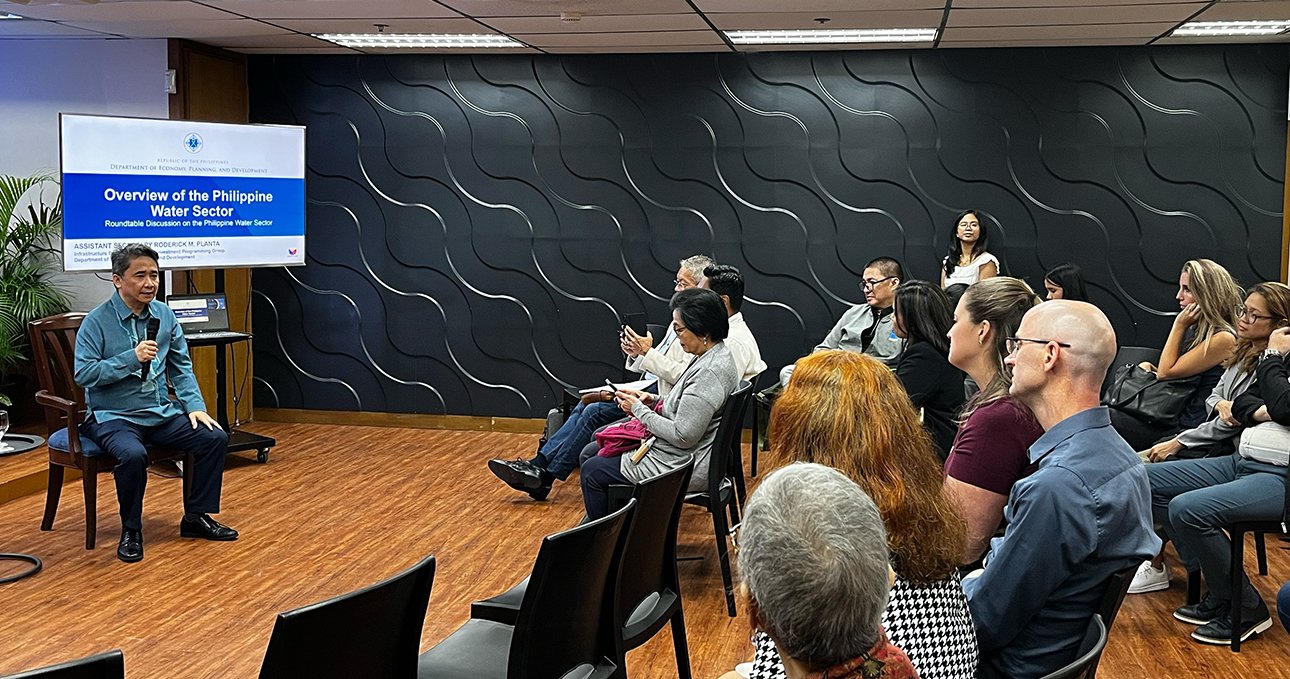
Asec. Roderick M. Planta leads infrastructure development and investment programming at DEPDev, bringing a systems view to water, sanitation, flood control, and irrigation, exactly the vantage point needed to turn policy notes into executable portfolios.